What Is PES 2013?
PES 2013, short for Pro Evolution Soccer 2013, is the football simulation developed and published by Konami and released in September 2012 for PlayStation 3, Xbox 360 and Windows PC, with PlayStation 2, PSP, Nintendo Wii and Nintendo 3DS versions following. Known in Japan as World Soccer: Winning Eleven 2013, it arrived with Cristiano Ronaldo on the cover and a simple promise: give the player back control of every pass, every first touch and every shot.
That promise had a name, PES FullControl, and it is the reason this game is still discussed more than a decade later. Where earlier football games assisted your inputs, PES 2013 let you place a pass exactly where you pointed, trap a ball dead or knock it past a defender with your first touch, and shoot fully manually for the first time in the series. This fan guide exists to explain how all of that works, team by team, mode by mode.
Teams and Player Ratings Explained
PES 2013 rates players across dozens of attributes, from dribble accuracy and shot technique to the famous six sided hexagon of attack, defence, power, stamina, technique and speed shown on the team selection screen. A headline overall number matters far less than the shape underneath it: a striker with modest pace but elite shot technique and body balance will outscore a faster forward whose finishing attributes are ordinary.
Team ratings follow the same logic. The strongest squads in the game, including Real Madrid, FC Barcelona and the Brazil national team, combine high individual attributes with preset formations that suit them. Our ratings guides break down what each key attribute does on the pitch, which players hide surprising strengths behind plain overall numbers, and how the Player ID system makes stars such as Ronaldo, Lionel Messi, Neymar and Kaka move and behave like themselves.
Tactics and Formations
Formation choice in PES 2013 is a real decision, not a cosmetic one. The game rewards a clear plan: a compact 4-2-3-1 that protects the space in front of your defence, a wide 4-3-3 that stretches the pitch for Player ID wingers, or a direct 4-4-2 built for crosses and second balls. Team style sliders for pressing, defensive line and attacking style then tune how that shape behaves with and without the ball.
Our tactics coverage tests formations against the AI on the higher difficulty levels and in Master League, where a shape has to survive a full season rather than one friendly. You will find pressing traps that actually work in this engine, defensive settings that stop the CPU's favourite through ball, and attacking patterns built around manual passing rather than assisted shortcuts.
Master League
Master League is the mode that turned PES into a legend. You take a club, either with its real squad or with the beloved default team of Castolo, Minanda and company, and build it across seasons of transfers, youth development and European nights. In PES 2013 the mode sits inside the Football Life menu alongside Become a Legend, and it now includes the Copa Libertadores as part of the calendar for the first time.
It is also the mode that sparked the great magic boots debate, when newly signed players arrived wearing boots that boosted their attributes and divided the community. Our Master League guides cover the honest essentials: how the transfer market really values players, how the youth team produces stars, how to grow the default squad without breaking the mode's economy, and how to set up your first season so the money lasts.
Controls and Skill Moves
PES 2013 is a game you learn with your hands. Dynamic First Touch means the right stick and a well timed sprint button decide whether a long diagonal dies at your feet or rolls into space. Deft Touch Dribbling slows the game down at your command, letting you shift the ball between feet and wait for a defender to commit. Skill moves, from the roulette to the rainbow flick, sit on the right stick and the shoulder buttons, and each one has a situation where it genuinely beats a man.
Our controls guides go input by input, on both the PlayStation and Xbox pads, with training ground drills from the game's own Performance Training mode. Start with the basics of manual passing, graduate to one touch play with the early cross and the lofted through ball, and finish with the feints that open up a packed penalty box.
PES FullControl and Player ID
Konami built PES 2013 on three pillars. PES FullControl covers total freedom of movement, Dynamic First Touch, and fully manual passing and shooting. Player ID recreates the running styles, touches, turns and celebrations of the world's best players, around fifty of them in forensic detail, so Ronaldo's stepovers and Neymar's swagger are recognisable before you see a name. ProActive AI makes team mates and opponents move with real intent, holding lines, making decoy runs and reacting to the ball.
Understanding these three systems explains almost everything about how the game plays. FullControl is why a pass goes exactly where you aim it, mistakes included. Player ID is why some players feel unplayable in the best sense. ProActive AI is why a well organised CPU defence in this game still feels like a puzzle worth solving.
Game Modes and Licences
Beyond Master League, PES 2013 offers Become a Legend, where you guide one created player from debut to superstardom, plus league and cup play, the licensed UEFA Champions League, and the fully licensed Copa Libertadores with its South American clubs and atmosphere. The Brazilian league was licensed too, with Neymar joining Ronaldo on the South American cover, and Master League Online introduced a Rival Ranking system that matched you against players at your level across 240 in game cities.
Licensing was always the PES story of strengths and gaps. The Champions League and Libertadores licences were exclusive jewels, while some domestic leagues used edited team names that the community famously corrected with option files. Our history articles explain what was licensed, what was not, and why the editing community became part of the game's culture.
PES 2013 in Pictures
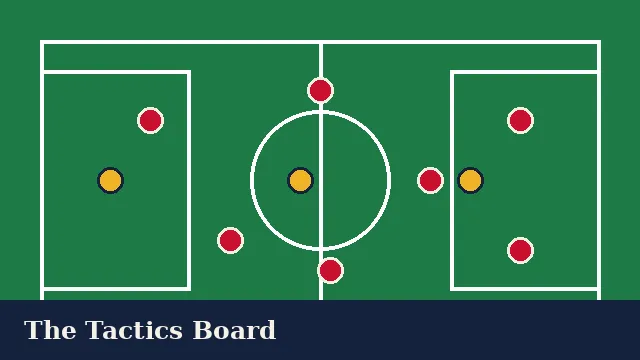
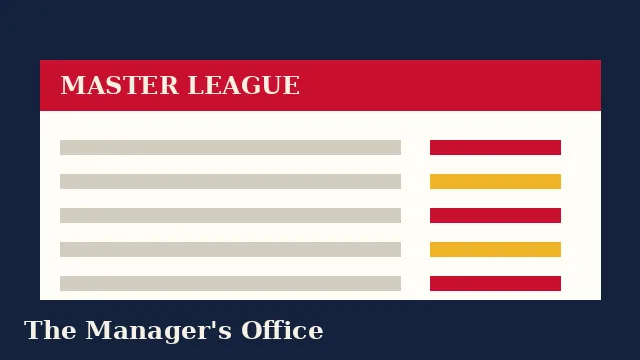
Some games date the moment you look at them. PES 2013 still photographs beautifully: floodlit night matches, Player ID faces caught mid celebration, and that clean broadcast camera angle a generation of players can recognise from a single frame. The three panels below are editorial artwork made for this guide, showing the tactics board, the Master League office and the training ground as we cover them across the site.
Playing PES 2013 Today
The honest way to play PES 2013 today is the way it was made to be played: an original disc or a legitimate digital copy on original hardware. PlayStation 3 and Xbox 360 consoles are inexpensive second hand, the PC version runs happily on modest modern computers where it is sold through legitimate storefronts, and even the PlayStation 2 and PSP versions remain easy to find as physical copies. Servers for the old online modes are long closed, but local multiplayer, Master League and Become a Legend need no servers at all.
A word on the mobile chapter, because readers ask about it often. PES 2013 also lived on phones of its era, and the Android version of that period was built around a small app package with its game data carried in expansion files, the APK and OBB structure Android used for large games, with the data folder holding stadiums, commentary and player models. That is a piece of gaming history we explain editorially in our mobile guide. This site does not offer game files of any kind; it offers the knowledge around the game, and points you to original copies.